GrapheneOS Confirms the First Motorola to Support the Privacy-Focused Android Fork
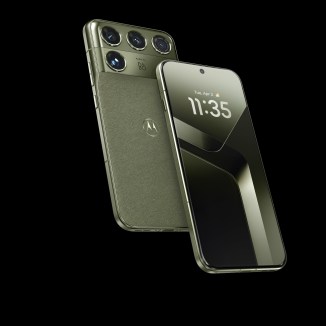
GrapheneOS has confirmed that a Motorola smartphone will become the first device from the brand to officially support the privacy-focused Android operating system.
The announcement marks an important development for users looking for an Android experience with a stronger emphasis on privacy and security.
Motorola Enters the GrapheneOS Ecosystem
GrapheneOS is an Android-based operating system designed with a strong focus on privacy and security. Unlike conventional Android distributions, it includes a number of changes intended to reduce unnecessary data exposure while giving users greater control over permissions and system behaviour.
Until now, GrapheneOS support has been concentrated on a relatively limited selection of smartphone manufacturers and models. The addition of a Motorola device therefore expands the number of hardware options available to users interested in the platform.
The Motorola model selected for support is the Moto G Power (2026).
According to GrapheneOS, the device meets the project’s hardware and security requirements sufficiently to become the first Motorola smartphone supported by the operating system.
Why Motorola Support Matters
Motorola is one of the largest Android smartphone brands, particularly in markets where affordable and mid-range devices are popular.
Bringing GrapheneOS to a Motorola phone could make privacy-focused Android more accessible to users who do not want to purchase a Google Pixel specifically to run the operating system.
The move also demonstrates that GrapheneOS is continuing to explore hardware beyond Google’s Pixel lineup.
A Privacy-Focused Android Experience
GrapheneOS retains compatibility with the Android application ecosystem while introducing additional privacy and security controls.
One of its notable features is the ability to install Google Play components in a more controlled way rather than having them integrated into the operating system with the same level of privileged access found on standard Android installations.
Users can also benefit from more granular permission controls and additional security protections.
However, installing GrapheneOS is intended for users who are comfortable modifying their device software. The installation process can require unlocking the bootloader and replacing the operating system, so users should follow the project’s official instructions carefully.
What This Means for Motorola Users
The arrival of GrapheneOS support gives owners of the supported Motorola model another option beyond the manufacturer’s standard Android software.
Instead of using the default Android experience, users interested in privacy can choose an operating system specifically designed around reducing unnecessary data collection and strengthening device security.
It is important to note that GrapheneOS support is model-specific. The fact that one Motorola device is supported does not automatically mean that other Motorola smartphones can run GrapheneOS officially.
Security Remains a Key Focus
GrapheneOS places considerable emphasis on exploiting the security capabilities already available in modern Android hardware.
Features such as hardened memory protection, application sandboxing and enhanced permission controls form part of the project’s broader security approach.
For privacy-conscious users, the combination of supported hardware and a security-focused operating system can provide an alternative to conventional Android distributions.
Final Thoughts
The Moto G Power (2026) becoming the first Motorola smartphone supported by GrapheneOS represents a notable expansion for the privacy-focused Android project.
For Motorola owners interested in greater control over their personal data and a more security-oriented Android environment, the new support provides another option to consider.
The development will also be worth watching as GrapheneOS continues expanding beyond its traditional hardware ecosystem. Whether additional Motorola models receive official support in the future will depend on their hardware security capabilities and compatibility with the project’s requirements.